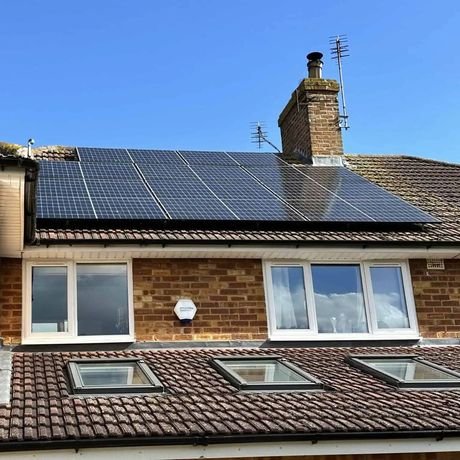
Why Clean Solar Panels Matter (Key Statistics)
Dirty panels can cost you real power and money. Research shows soiling can reduce energy output by a few percent up to 30–40% in extreme cases; typical realistic losses are commonly reported in the 5–15% range depending on location and pollution levels.
One paper estimated annual revenue loss due to dust accumulation can be up to 35% when solar radiation is reduced substantially — demonstrating that regular cleaning is an economic decision for many homeowners.
How Much Extra Energy Can You Expect? (Realistic Gains)
For many Bristol roofs—especially near trees or roads—annual cleaning often pays for itself in recovered generation over a few years.
Frequency: How Often Should Panels Be Cleaned?
General guidance (adjust by local conditions):
- Clean every 12–24 months for most suburban homes.
- Clean twice a year for tree-lined or pollen-prone areas (like many parts of Bristol).
- Clean quarterly in very dusty/coastal/agricultural zones.
Don’t neglect your solar panels!!!
Pro tip: Monitor system output (inverter data). A persistent unexplained dip in generation is a strong sign a clean is due.
Professional Solar Panels Cleaner’s Safe and Effective Methods
Use this paragraph section to get your website visitors to know you. Write about you or your organization, the products or services you offer, or why you exist. Keep a consistent communication style. Consider using this if you need to provide more context on why you do what you do. Be engaging. Focus on delivering value to your visitors.
Assessment & Safety First
Professionals inspect array orientation, roof access, microinverters, module condition and any shading issues before cleaning. Safety (PPE, harnesses, roof stability) is mandatory.
Water-Fed Pole with Deionized / Pure Water
Most pros use telescopic water-fed poles that deliver deionized (pure) water through soft-bristled brushes. Pure water leaves no mineral residue or streaks and avoids chemicals. This is the industry standard for safe rooftop cleaning.
Timing & Technique
Clean on cool, cloudy days, early morning or late evening to avoid thermal shock. Never spray cold water onto very hot modules.
Use soft brushes, low flow and pure water; rinse and record pre/post inspections.